
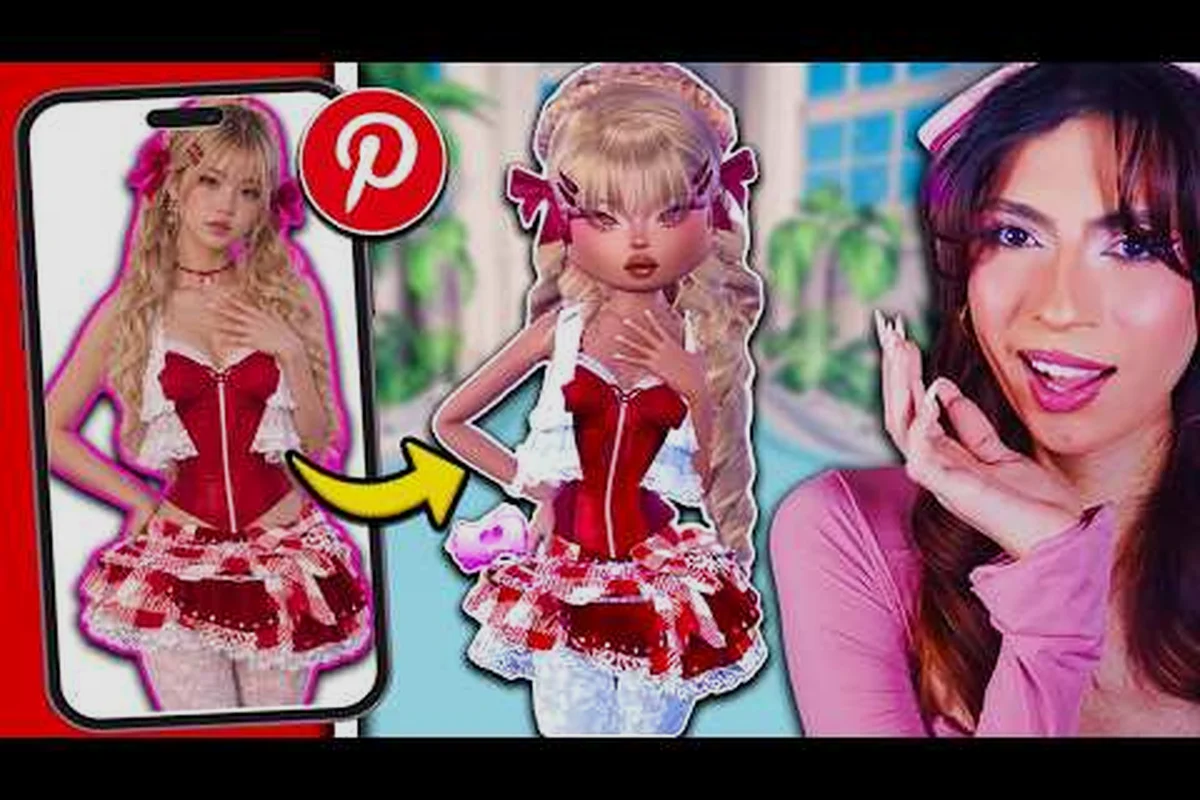
The Dress To Impress themes list below organizes every runway prompt into era, aesthetic, and costume party categories with outfit direction for each one, so you can pre-build a winning silhouette before the round timer starts ticking and walk the runway with a clear plan instead of panic-scrolling the wardrobe.
The Full Dress To Impress Themes List At A Glance
The dress to impress themes list covers every runway prompt players encounter, from nostalgic 2000s staples to literary throwbacks and seasonal costume party themes. Each round throws a single concept at the dressing room, and the players who rank at the top of the podium are almost always the ones who interpret the brief with the clearest silhouette, the tightest color story, and the most intentional accessory choices. The themes list documented on the Dress To Impress Wiki runs into the hundreds and is updated as the developer retires older prompts and adds new ones, so the catalog below should be read as a working snapshot rather than a fixed inventory.
This guide organizes the dress to impress all themes by vibe, era, and difficulty so you can build a quick mental reference for whichever prompt the randomizer hands you. The structure walks through the most popular recurring themes, then breaks down a high-scoring build for each, then closes with a look at niche costume party theme prompts and the mechanics that decide who wins a tight vote.
Why Knowing The Themes Changes Your Results
The voting audience in any given lobby reads a theme three or four different ways, and a strong entry picks one lane and commits to it. Players who skim the brief and grab whatever catches their eye in the first 30 seconds usually land in the middle of the pack because their outfit argues for two or three themes at once. Players who treat the dress to impress themes list as a study guide tend to win because they arrive at the dressing room with a pre-loaded moodboard in their head: Y2K means baby tee, low-rise, butterfly clip, and rhinestones; Cottagecore means prairie dress, basket bag, and Mary Janes.
A second reason the dress to impress theme guide matters: the runway timer punishes exploration. Each round is short, and the players who already know which category a prompt falls into spend their prep time fitting and recoloring instead of scrolling. That prep edge shows up in final placements.
Theme Categories At A Glance
| Category | Typical Era Or Vibe | Difficulty | Wardrobe Anchor |
|---|---|---|---|
| Y2K / 2000s Pop | 1998–2004 | Easy | Baby tee, low-rise skirt, rhinestones |
| Cottagecore | Pastoral / Romantic | Easy | Prairie dress, straw bag, floral |
| Regency Era | 1810s–1820s | Medium | Empire waist, opera gloves, curls |
| Old Money | Quiet luxury | Medium | Trench, loafers, neutral palette |
| Mall Goth | 2008–2012 mall | Medium | Stripes, platform boots, dark color |
| Wicked | Broadway / Fantasy | Hard | Green and black palette, witch hat |
| Steampunk | Victorian Sci-Fi | Hard | Brass, corset, goggles, gears |
| Costume Party | Character cosplay | Varies | Recognizable IP silhouette |
Era And Aesthetic Themes Every Player Should Master
The first cluster on the dress to impress themes list covers prompts built around a decade or an aesthetic mood. These are the rounds the randomizer pulls most often, and they reward players who already know the silhouette vocabulary. A decade prompt does not ask for a literal museum costume; it asks for the pieces the voting audience associates with that decade at a glance.
Y2K And 2000s Pop
The Y2K theme is the single most-requested round in most lobbies, and it doubles as a forgiving theme for new players because the wardrobe pool is huge. A solid y2k theme outfit starts with a baby tee or a rhinestone-graphic crop top, a low-rise mini skirt or cargo, and one of three shoe categories: platform flip-flops, ballet flats with a bow, or chunky white sneakers. Accessories separate the top of the podium from the middle: tinted sunglasses pushed up on the head, a butterfly clip or claw clip, belly button jewelry, and a baguette bag in silver, pink, or metallic blue. The recolor pass should brighten everything by a notch because Y2K styling reads slightly oversaturated, not muted.
| Piece | Priority | Alternate If Missing |
|---|---|---|
| Baby tee or rhinestone top | Must-have | Cropped tank with graphic |
| Low-rise bottom | Must-have | Pleated mini or cargo |
| Platform flip-flop or ballet flat | Must-have | Chunky white sneaker |
| Tinted sunnies or butterfly clip | High | Claw clip or beaded phone strap |
| Baguette bag or shoulder mini | Medium | Holographic mini backpack |
A common mistake on the Y2K round is over-accessorizing. Players see the huge accessory pool and pile on every 2000s item in the catalog, which dilutes the silhouette. Pick two statement pieces and let the rest of the outfit breathe.
Cottagecore
Cottagecore is the second-most common prompt on the dress to impress all themes and the easiest era round to clear because the visual language is narrow. The brief is asking for a soft pastoral mood: prairie dress or a long floral skirt, a knit or puff-sleeve blouse, a straw or wicker bag, and Mary Jane or low-heeled boot. Hair should be loose or in a low bun with a ribbon, and makeup should lean into rosy cheeks and a soft lip.
Cottagecore is a trap when players lean too hard into the color story and forget the silhouette. A pastel green or a butter yellow reads cottagecore on its own, but the same palette on a modern bodycon shape reads spring casual. Always anchor the round in the prairie-line silhouette before you recolor.
Old Money And Quiet Luxury
Old Money is one of the most difficult prompts because the voting audience scores it on restraint, which is the opposite of what a dressing-room game usually rewards. The silhouette is structured but understated: a long trench or a wool coat, a cashmere-toned knit, tailored trousers or a midi skirt, leather loafers or a low block heel, and a structured leather bag in cream, tan, or black. Avoid logos, sequins, and saturated color; the entire wardrobe should sit in a tan-cream-navy-black palette.
Players who score well on Old Money are the ones who pick a coat first and dress around it. The coat anchors the entire silhouette, and the rest of the outfit should match its texture and tone. A bright bag or a colorful shoe breaks the spell and drops a strong entry to mid-pack.
Character And Pop-Culture Themes
The second cluster on the dress to impress themes list leans on recognizable IP rather than era. These rounds draw from movies, musicals, and well-known cartoon or comic characters, and they reward players who can build a single iconic silhouette fast.
Wicked
The Wicked theme pulls from the Broadway musical and the recent film adaptations, and it tends to fall into two lanes: Glinda pink, or Elphaba green. The Glinda read is a pink ball gown with a tiara, opera gloves, and a star wand. The Elphaba read is a black dress or corset, a long black hat, and a strong green recolor pass on the skin. Both lanes work, but Elphaba scores higher in most lobbies because the green recolor is the only move that makes the silhouette unmistakably Wicked from a distance.
| Lane | Core Silhouette | Color Story | Key Accessory |
|---|---|---|---|
| Glinda | Ball gown, off-shoulder | Pink, white, silver | Tiara, star wand |
| Elphaba | Black dress, witch hat | Black, dark green | Pointed hat, broom |
| Defying Gravity Hybrid | Black gown, green tint | Black, emerald, silver | Crown or wreath |
A small but consistent tip from community testing: commit to the skin recolor on Elphaba. Players who leave the skin tone default and add a green hat get mid-pack votes; players who turn the entire model green-tinged win the round. Skin recolor is the single most powerful Wicked move because the audience reads it as a body-paint cosplay and that reads as commitment.
Steampunk
Steampunk is a high-difficulty prompt because the silhouette vocabulary is narrow and the accessory pool is small. A strong Steampunk entry starts with a corset or a structured vest, a long skirt or trousers with a side strap, boots, and at least one piece of brass-toned accessory. Goggles pushed up on a hat or pushed into the hair are the cleanest tell, and a small gear or compass pendant sells the world without committing to a full cosplay.
The recolor pass for Steampunk should warm everything: brown leather, brass metal, and a tan or rust palette. Players who default to a black Steampunk entry often lose to a richer brown palette because black Steampunk reads generic goth, while a warm brass-and-leather combination signals the Victorian sci-fi worldbuilding the prompt is actually testing.
Regency Era
Regency Era leans on Bridgerton-coded silhouettes: empire-waist dress, opera gloves, soft curls, and a muted pastel palette. A powdered wig is not required, but a soft updo with face-framing curls reads the era. Pearl jewelry and a small reticule bag complete the look. Regency is a friendly theme because the silhouette is so specific that even a rough interpretation tends to read, but the top placements go to entries with the opera gloves.
Costume Party Theme Prompts
The third cluster on the dress to impress themes list is the costume party category. These prompts read like a dress-up box: a single character, a single fictional role, or a single visual idea. The costume party theme prompts are where the dressing room's full accessory pool actually matters because the audience is scoring recognition, not era accuracy.
A strong costume party entry picks one specific reference and commits. A generic witch reads mid-pack; a Wicked-coded Elphaba reads higher. A generic princess reads mid-pack; a specific princess silhouette (for example, a Belle yellow ballgown or a Cinderella blue dress) reads higher. The rule is that recognition beats interpretation on a costume round.
Easy Costume Party Reads
| Prompt | Silhouette Anchor | Key Color | Must-Have Accessory |
|---|---|---|---|
| Witch | Black dress, pointed hat | Black, purple | Hat, broom optional |
| Vampire | Cape or high-collar | Black, red | Fangs or pale skin |
| Princess | Ball gown | Pastel | Tiara or crown |
| Pirate | Vest, boots, sash | Black, white | Tricorn hat, eye patch |
| Cheerleader | Pleated skirt, crop top | School colors | Pom-pom, letter jacket |
| Cowgirl | Denim, fringe | Brown, denim | Cowboy hat, boots |
Hard Costume Party Reads
| Prompt | Silhouette Anchor | Difficulty | Risk |
|---|---|---|---|
| Fairy | Tulle, wings | Hard | Wings read costume, but silhouette must match |
| Mermaid | Seashell, scaled texture | Hard | Color story collapses without the right recolor |
| Angel | White gown, halo | Hard | Halo alone reads saint, not angel |
| Devil | Red, horns, tail | Hard | Red can read generic; horns are mandatory |
| Ghost | White sheet | Hard | Single-prop round, very hard to win |
| Robot | Metallic, geometric | Hard | Requires skin and material recolor |
Players chasing a difficult costume party theme should plan one statement piece, then build around it. A fairy round with wings but no silhouette drops votes; a fairy round with wings and a soft tulle gown scores top three, because the gown supplies the recognizable shape that the wings alone cannot carry on a fast-scrolling runway.
Outfit Ideas By Theme: High-Scoring Build Patterns
The dress to impress theme ideas that score well share a few habits. They pick a single lane, they recolor with intention, and they keep the accessory count tight. This section walks through the build pattern behind the strongest entries, then closes with a quick checklist you can run during the prep timer.
The Three-Layer Build
Every high-scoring entry follows a three-layer structure: a base layer (top and bottom), a feature layer (jacket, coat, hat, or hair), and an accent layer (jewelry, bag, shoes). Players who skip a layer tend to read as half-finished even if the individual pieces are strong. Players who stack three coherent layers tend to read as a full look, and that is what wins votes.
| Layer | Purpose | Common Mistake |
|---|---|---|
| Base | Sets silhouette and palette | Mixing two color stories |
| Feature | Single biggest visual tell | Adding two feature pieces |
| Accent | Finishes the look | Over-accessorizing |
Recoloring For Theme
The recolor pass is the move that separates a top-three entry from a mid-pack one. Most themes have a signature color story: Y2K wants saturation, Cottagecore wants soft, Old Money wants muted, Steampunk wants warm brown, Wicked wants green or pink. Players who leave the items at their default colors often miss the theme because the item silhouette alone is not enough. Spend the prep timer tweaking the recolor and the entry moves up several positions.
A second recolor rule: keep the recolor inside a single family. Mixing a cool green with a warm orange reads confused. Picking one temperature and committing reads intentional. The community theme lookbook on Fandom on the community wiki keeps an updated lookbook of recent winning builds, and the pattern is consistent: the winning entries almost always sit in a single color family.
Prep Timer Checklist
-
Read the brief twice and pick one lane before opening the wardrobe
-
Pick a feature piece first and dress around it
-
Stick to one color family across base, feature, and accent
-
Run a single recolor pass before the timer hits halfway
-
Save two accessory slots for the strongest tells
-
Run a final mirror check for silhouette breaks (a feature piece suddenly looking like a costume piece of a different theme is the most common deduction reason)
Strategy For Winning Tight Theme Votes
The dress to impress theme guide would not be complete without a section on the voting round itself. In close votes, the audience tends to reward entries that read their theme at a glance, even if the individual pieces are simple. The strategy is to think like a voter, not like a stylist.
Reading The Brief Like A Voter
Most themes have a single image the audience pictures when they read the brief. Y2K reads baby tee and butterfly clip. Cottagecore reads prairie dress and straw bag. Wicked reads green or pink. Players who build toward that one image win, because the voter is comparing every entry against the same mental snapshot. Players who build toward a thoughtful but unusual interpretation often score lower because the voter has to work to read the theme, and busy voters default to the entry that read instantly.
Saving And Presets
Players who win consistently tend to build a small library of saved outfits for the most common themes. A saved Y2K preset, a saved Cottagecore preset, and a saved Wicked preset cover the majority of rounds, and the prep timer becomes a recolor pass instead of a full build. Players who want to organize a preset library can step through the outfit preset workflow which covers the save slot interface on every supported platform.
Voting Tactics From Community Testing
According to community testing on the most active Dress To Impress Discord channels, three habits separate high-vote players from average players. First, they commit to one lane per round and resist the urge to add a second theme. Second, they use the recolor pass as a feature, not a finishing step. Third, they keep the accessory count to two or three strong pieces. Players who follow all three habits tend to finish near the top of most rounds, and the players who only follow one of the three tend to hover in the middle of the pack.
| Habit | Effect On Score | Difficulty |
|---|---|---|
| One lane per round | +1–2 positions | Easy |
| Intentional recolor | +1–3 positions | Medium |
| Tight accessory count | +0.5–1 position | Easy |
| All three | Top 3 most rounds | Medium |
Players who want to dig deeper into the voting logic can read the runway voting and podium breakdown which walks through the vote weights and how the audience reads each round. Combining the theme catalog above with the voting breakdown tends to move a new player from the middle of the pack into the top three within a few sessions.
Two briefs with very different silhouettes are the brat theme and the cottagecore theme — both have dedicated build guides on this site, and comparing them is a fast way to practice silhouette-first editing because the two prompts force completely opposite shape languages.
Frequently Asked Questions
How many themes are in the dress to impress themes list?
The community wiki currently documents well over a hundred themes, organized by category, with new entries added each patch. According to community data, the active pool in any given week is closer to 60–80 prompts because the randomizer rotates a subset at a time, but the full list runs into the high hundreds once retired themes are counted.
What is the easiest theme for new players?
Y2K, Cottagecore, and basic costume prompts (witch, princess, pirate) are the easiest because the wardrobe pool is huge and the silhouette is forgiving. Players who want a quick win should pre-build a saved Y2K preset because that round shows up more than any other prompt, and a single saved preset covers a third of all rounds on most nights.
How do I win a Wicked round?
Pick Elphaba over Glinda because the green skin recolor is the single strongest Wicked tell, and the audience reads it as commitment. Pair the recolor with a black dress or corset, a long pointed hat, and a broom accessory if the wardrobe offers one. Glinda works, but Elphaba scores higher on average.
Are theme lists updated every patch?
Yes. The developer retires older prompts and rotates in new ones regularly, and the community wiki updates its list after most major patches. According to community reports, themes tied to a current movie or trend tend to stay active for the run of that trend and then get rotated out, while evergreen prompts like Y2K and Cottagecore stay in the rotation year-round.
Can I build a theme preset and reuse it?
Yes, and high-scoring players usually do. The preset system saves a full outfit including recolor, and loading a preset at the start of a round cuts the prep timer down to a recolor pass. Players new to the preset workflow can follow the editing and dressing room guide which covers how to save, name, and recall outfits across rounds.